




Neonatology

Number 1 in France among human milk banks, HSC is now a global reference in breast milk pasteurization.

HSC provides maternity wards and human milk banks with a complete range of equipment designed to improve the care of newborns.
We answer your questions.

Why must my pasteurizer be qualified?

The latest European SoHo standards require the qualification of human milk pasteurizers, including Installation Qualification (IQ), Operational Qualification (OQ), and Performance Qualification (PQ). Performance Qualification is particularly important, as it involves strict protocols and the use of multiple COFRAC-calibrated probes placed inside the bottles to verify heating, holding, and cooling times. Minimum and maximum temperatures are also critical to avoid degrading the milk. In the event of deviation or equipment failure, the pasteurizer’s sensors may not reflect the actual temperatures, which could result in pasteurization temperatures that are too low or too high, and holding times that are either too short or too long.

Qualifications must be carried out by an independent and accredited inspection body.

Why is it important to agitate bottles?

Agitating bottles with a true agitation system (not to be confused with simple water circulation, which does not agitate the bottles) is important for several reasons. It ensures a uniform temperature throughout the milk inside the bottle. Without agitation, the milk near the bottle walls heats up very quickly, while the milk at the center remains cooler. Pasteurization without agitation also leads to separation of the fat from the rest of the milk. This separation can be clearly observed at the end of the pasteurization cycle. Even if the bottles are manually shaken afterwards, the milk and fat will not recombine.

Why is traceability software required?

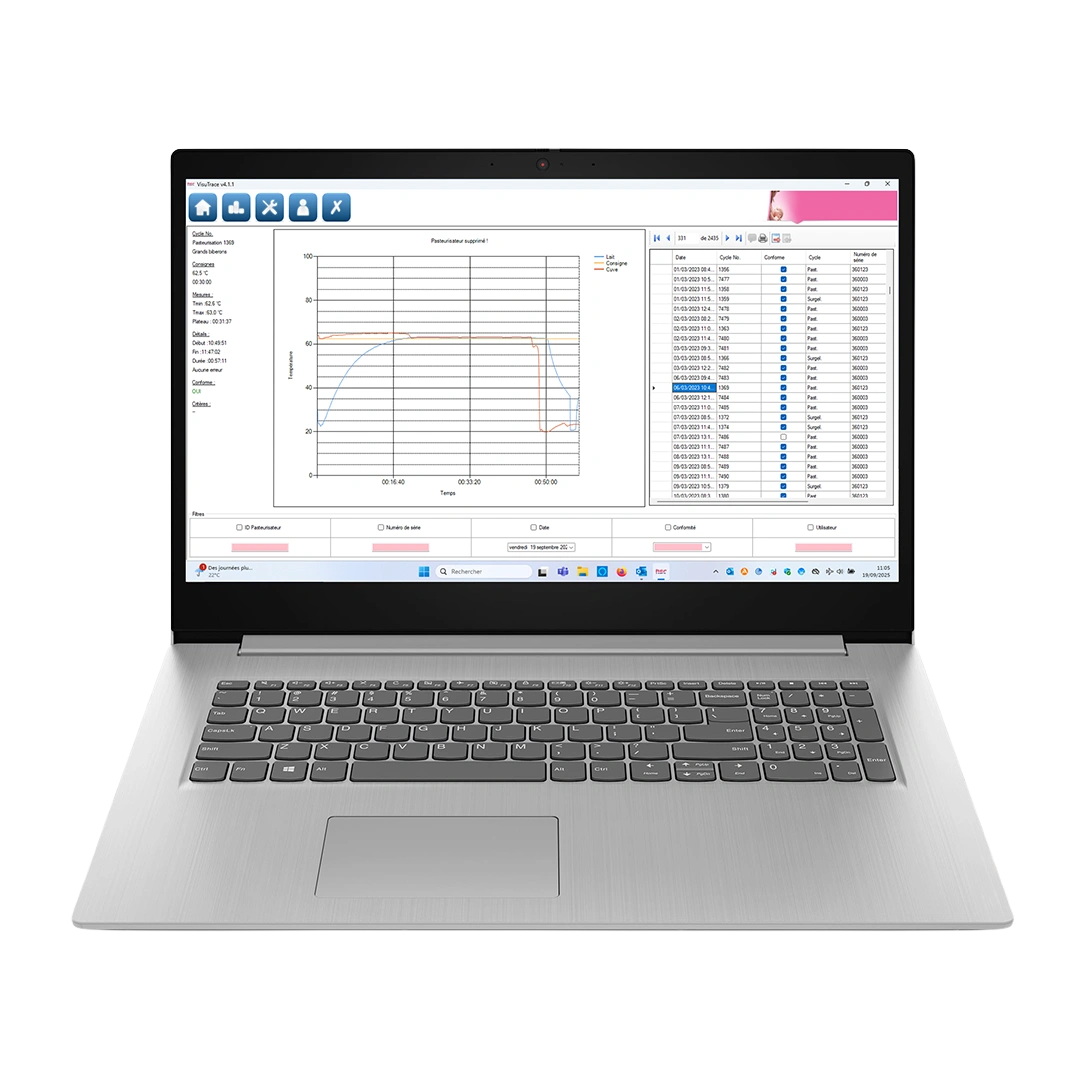
The use of traceability software is required under recent European standards. It enables real-time monitoring of the cycle with closely spaced measurement points (typically every 5 seconds). Each cycle is assigned a unique identifier, allowing all time and temperature data to be recorded and archived. All pasteurization steps are validated, which helps prevent interpretation errors (heating time, holding time, minimum and maximum temperatures, time above 58°C, cooling time).

Why should bottles not be immersed?

Immersion is technically possible with HSC pasteurizers. However, this practice is not recommended, as water may enter the bottles if even a single bottle has a manufacturing defect or an imperfect seal. This could have serious consequences for the infant consuming the milk.

Why is maintenance necessary?

Over time, components wear out as with any equipment. Regular inspection of wear parts as well as the measurement system is therefore essential to ensure the proper operation of the pasteurizer, especially for a medical device of this importance.

Why is temperature regulation important?

Several studies have shown that heat has a detrimental effect on the composition of milk. It is therefore essential to avoid excessive heat exposure. This is why HSC focuses on precise temperature regulation and process control. The heating phase must exceed 62.5°C without significant overshoot. The time above 58°C is also critical, as this is the temperature at which milk begins to degrade. This can only be properly verified during a qualification process.

What is a decontamination cycle?

It is used to decontaminate the internal components of the pasteurizer. Pasteurizers can become contaminated when not in use, as water may stagnate in the system, allowing microbial growth. In such cases, performing a decontamination cycle on a regular basis is recommended. This cycle can be either thermal or chemical, depending on the type of contamination. Since some microorganisms are heat-resistant, chemical decontamination may be required. HSC pasteurizers are equipped with both thermal and chemical decontamination cycles.

Can HSC pasteurizers be installed in all countries?

Yes, even if electrical voltages vary from one country to another, we adapt our equipment to the destination country. HSC pasteurizers comply with the most stringent standards worldwide.

Can HSC pasteurizers process 100 ml and 200 ml bottles?

It is possible to pasteurize a wide range of volumes using HSC pasteurizers. Custom-designed stainless steel baskets also allow the use of different types of bottles. However, it is not possible to mix 200 ml and 100 ml bottles within the same load, as the milk in 100 ml bottles would heat up more quickly, resulting in different treatment conditions depending on the volume. It is also important to note that stacking two levels of 100 ml bottles is not recommended, as temperature distribution differs between levels. This can be easily verified during the qualification process.

Neonatology

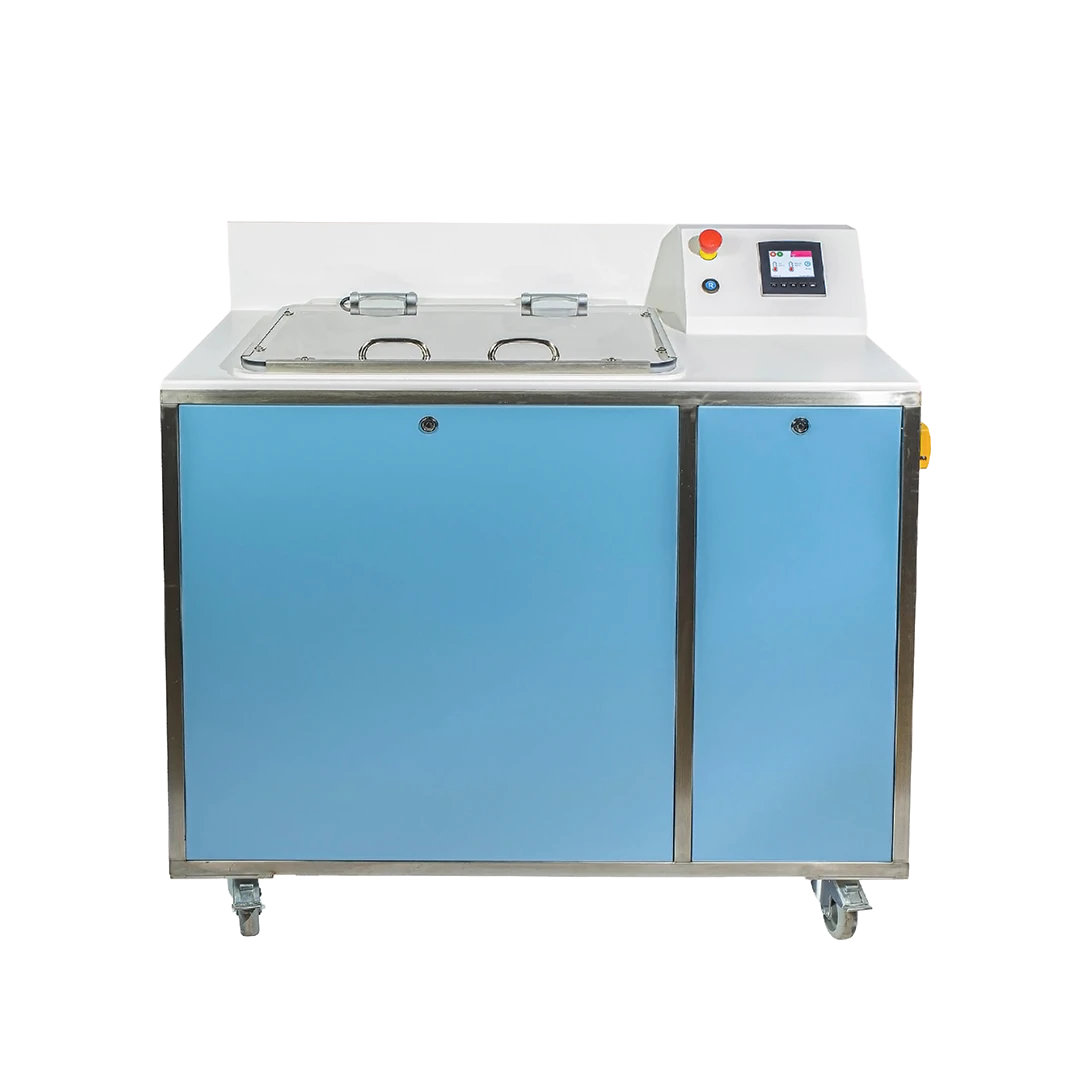
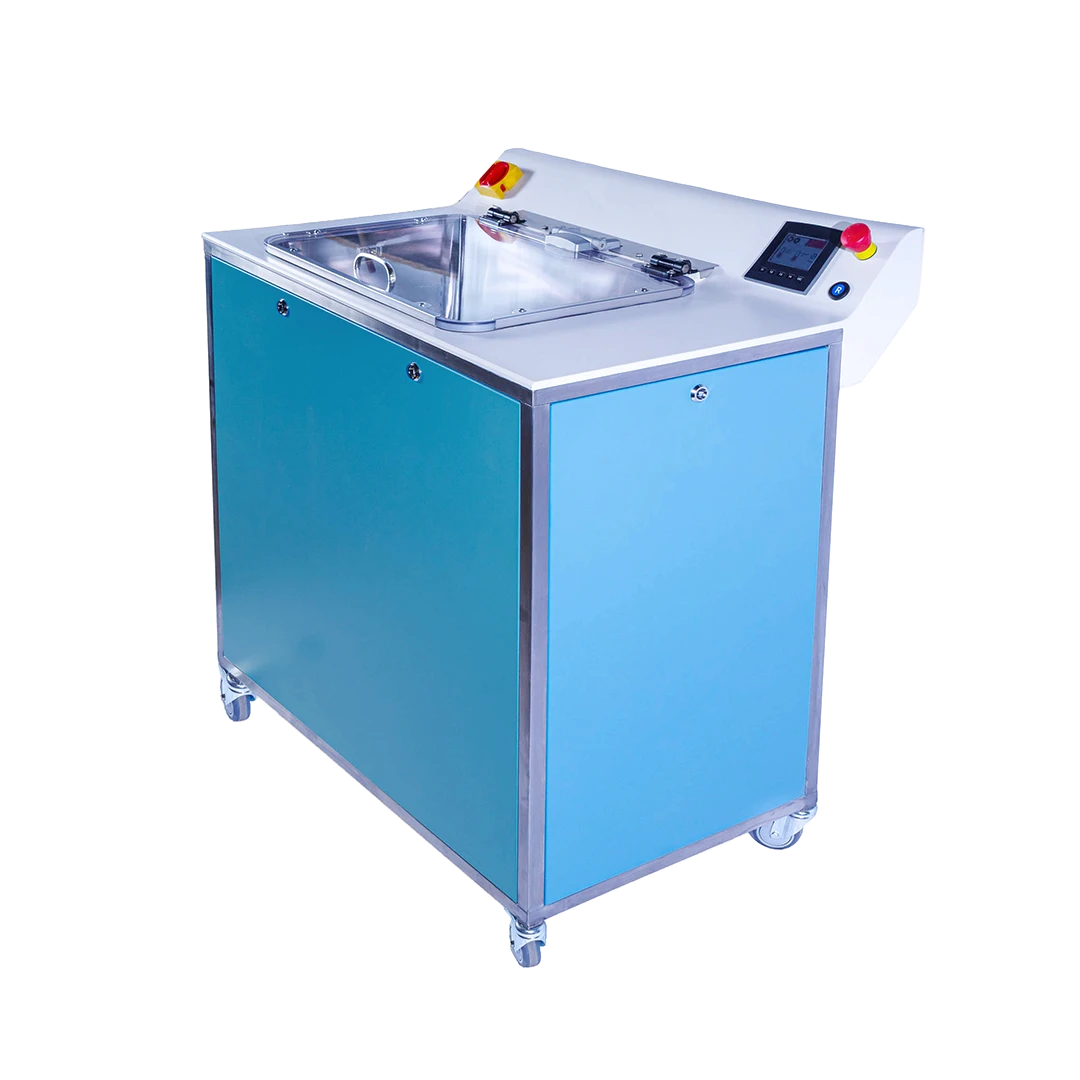
Human milk pasteurizer

PAS10000
The PAS10000 pasteurizer can process up to 48 bottles, eliminating all microorganisms that may contaminate the milk while preserving as many nutritional and immunological components as possible.
Software

Neonatology

VisuTrace

VisuTrace
VisuTrace is a traceability software for HSC® pasteurizers.

Neonatology

Human milk pasteurizer

PAS10002
The PAS10002 pasteurizer, with a capacity of 63 bottles, eliminates all microorganisms that may contaminate the milk while preserving as many nutritional and immunological components as possible.

Neonatology

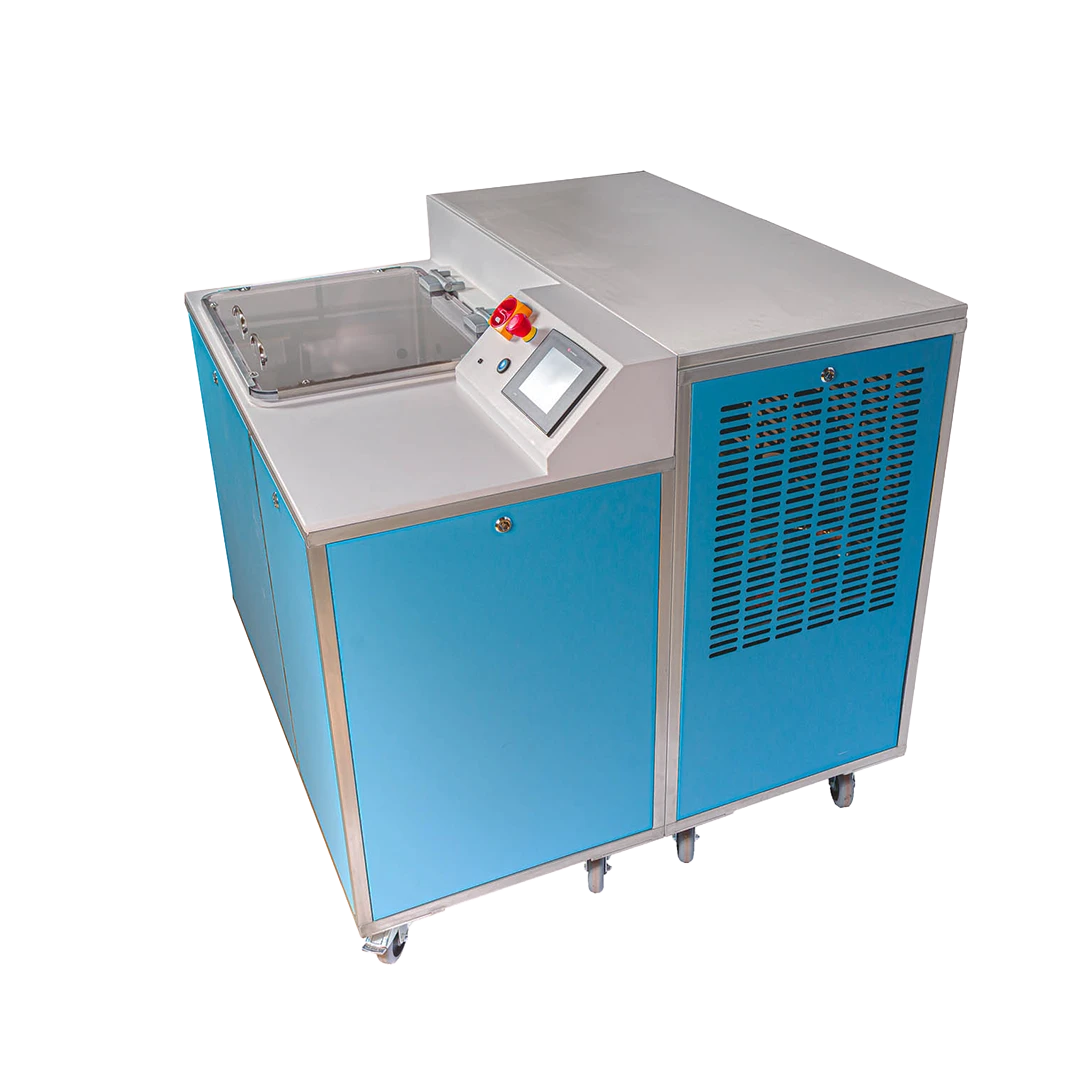
Human milk pasteurizer

PAS10003
The PAS10003 pasteurizer processes up to 63 bottles, eliminating all microorganisms that may contaminate the milk while preserving its nutritional and immunological properties.
Neonatology

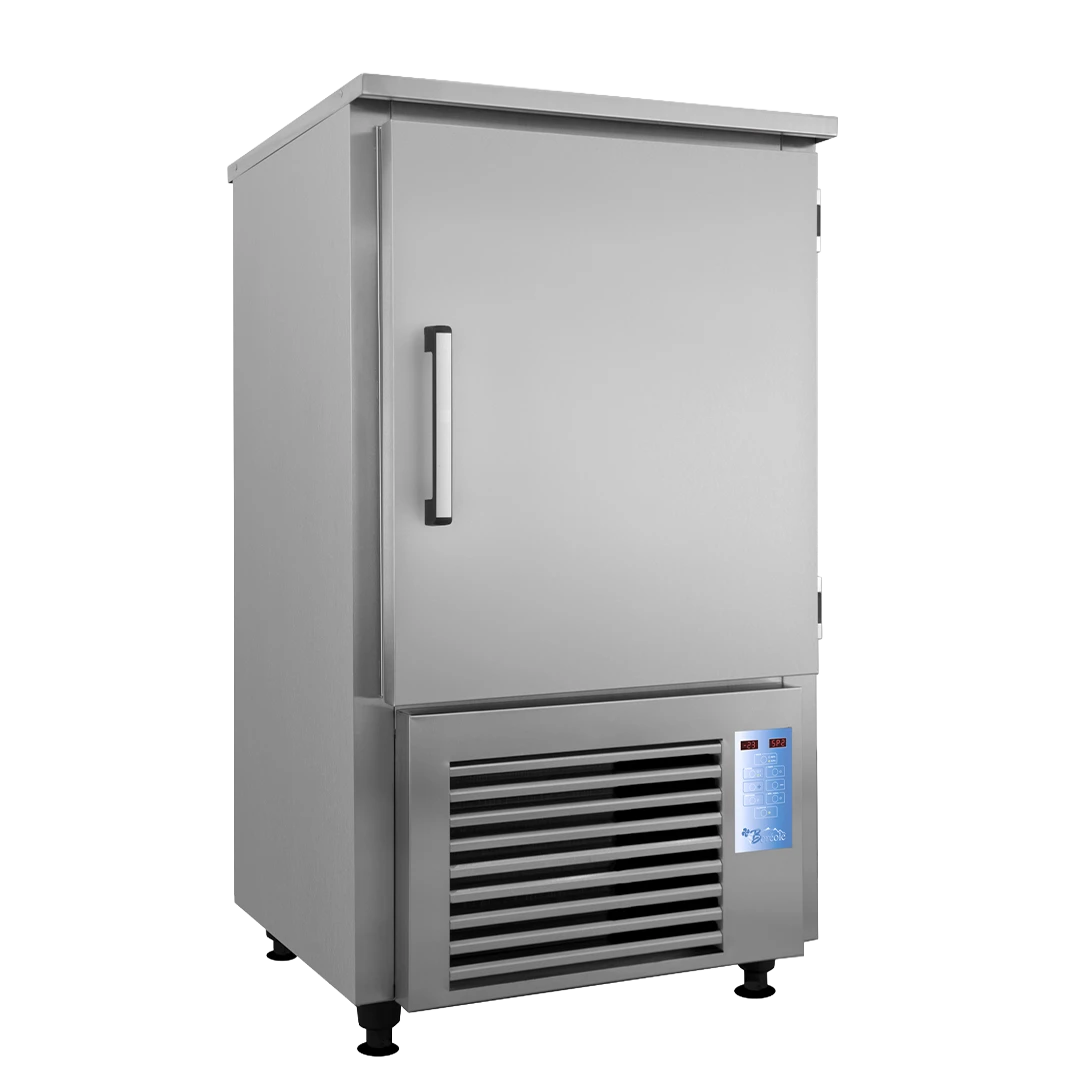
Blast freezer

CSB15
Blast freezer with 15 levels GN 1/1 or 600 × 400.

Neonatology

Blast freezer

CSB19
Blast freezer with 19 levels GN 1/1 or 600 × 400.

Neonatology

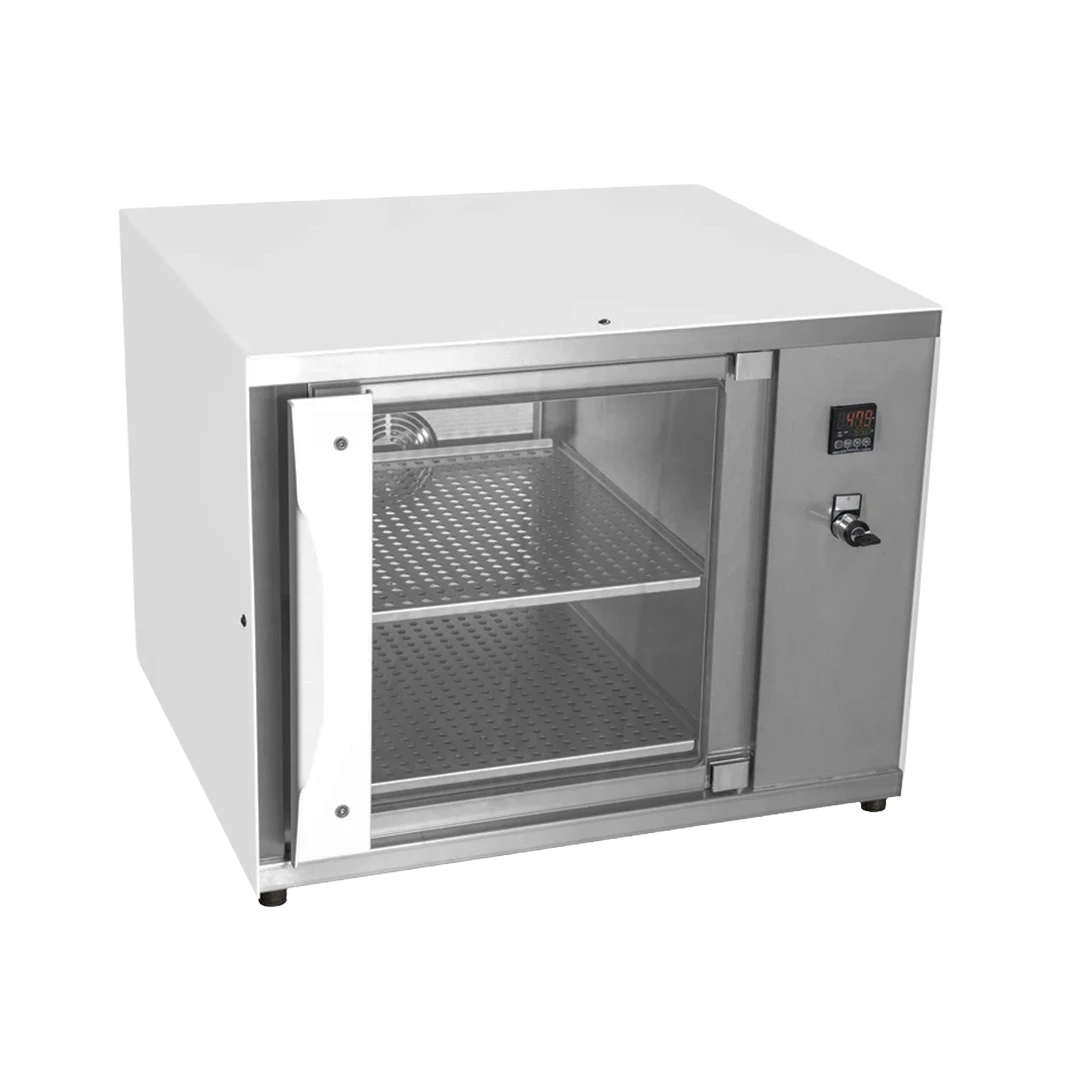
Linen warmer

PLE10000 PLE10001
The linen and serum warmer allows continuous 24/7 storage of linens or fluids at 55°C for linens and 37°C for serum (adjustable temperatures).
Neonatology

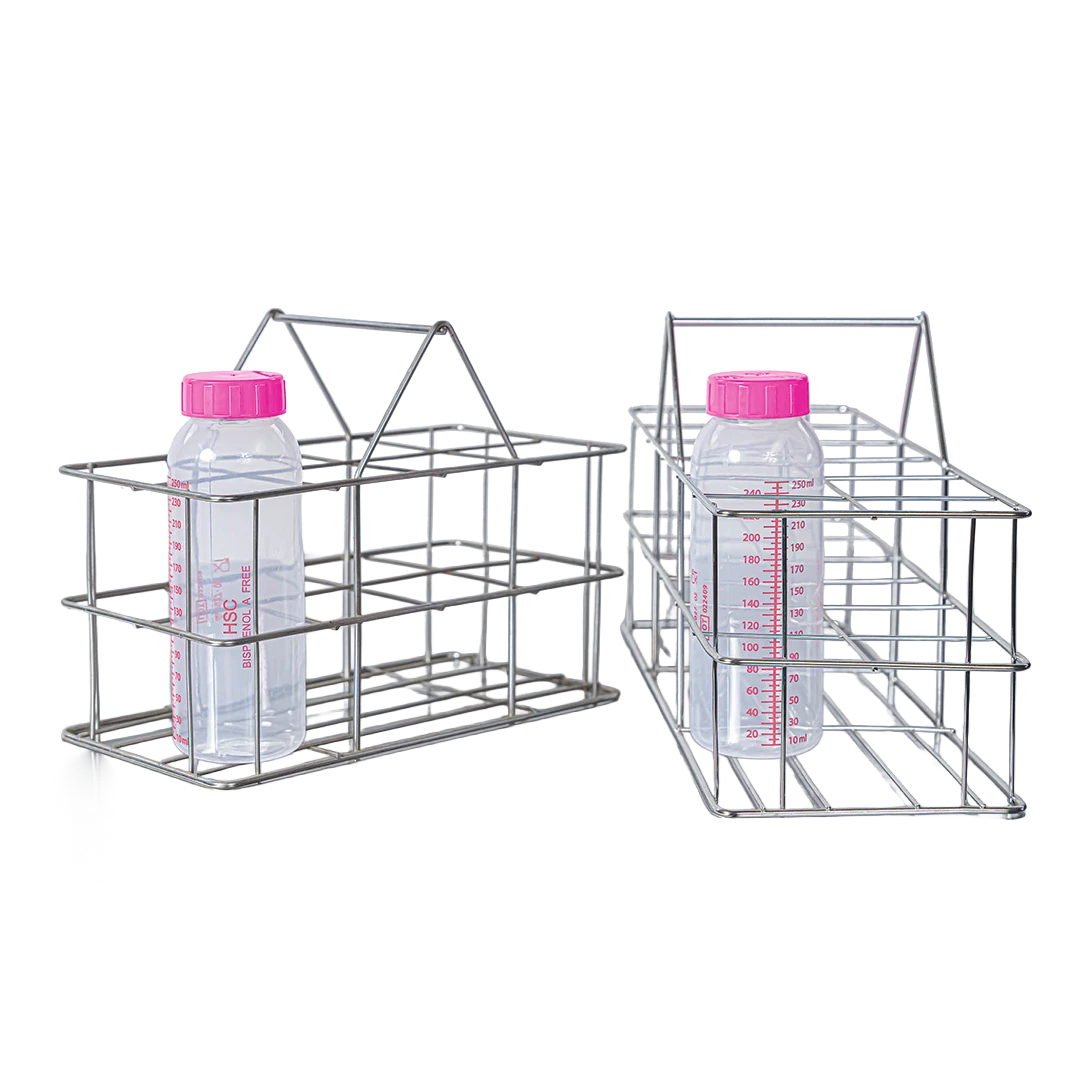
Bottle basket

PBA10000, 10001 - PBG10000, 10001 - PBP
Compartmentalized stainless steel wire baskets designed for transporting 250 ml bottles.